


The Growth of Yarn Bombing: A Colorful Evolution of Public Crochet Art

Yarn bombing has transformed urban spaces around the world, turning ordinary objects into unexpected bursts of color and texture. This form of public crochet art has grown from a simple act of decorating trees and poles into a global movement that blends craft with street art. It invites communities to rethink public spaces and engage with fiber art in new, creative ways.
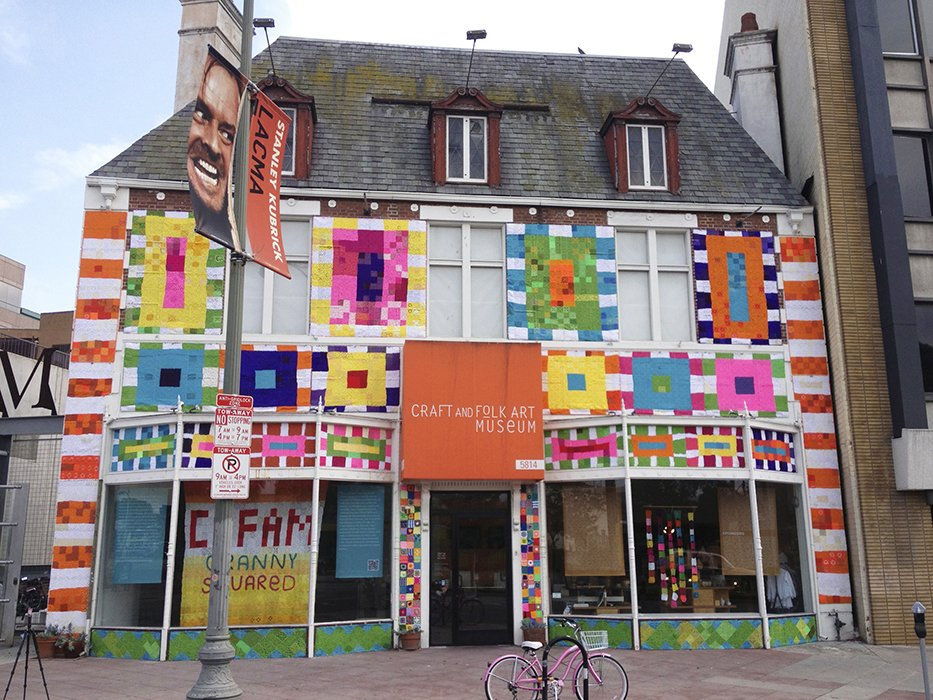
The Origins of Yarn Bombing as a Global Fiber Art Movement
Yarn bombing began in the early 2000s as a playful response to traditional graffiti. Unlike spray paint, yarn is soft, colorful, and non-destructive. The movement started with anonymous knitters and crocheters wrapping yarn around street fixtures like benches, lamp posts, and trees. This form of street art quickly gained attention because it challenged the idea that graffiti had to be harsh or permanent.
The term "yarn bombing" itself reflects the idea of "bombing" a space with yarn, but the impact is gentle and inviting. Early yarn bombers sought to reclaim public spaces with warmth and creativity, often without permission. Over time, yarn bombing evolved into a recognized art form that combines craft skills with urban storytelling.
Yarn bombing has spread to cities worldwide, from New York to Tokyo, becoming a global fiber art movement. It has inspired festivals, workshops, and community projects that celebrate the tactile and visual appeal of yarn in public settings.
Knit the City: Expanding Yarn Bombing into Urban Storytelling
One of the pioneers in transforming yarn bombing into a narrative art form was the London-based group Knit the City. Founded in 2005, this collective took yarn bombing beyond simple decoration. They created intricate crochet installations that told stories and added layers of meaning to urban environments.
Knit the City’s work often features characters, scenes, and themes that interact with the city’s architecture and culture. Their installations invite passersby to pause and engage with the art, sparking curiosity and conversation. By combining traditional crochet techniques with street art sensibilities, Knit the City helped legitimize yarn bombing as a form of public crochet art with artistic depth.
Their projects have included everything from cozying up statues with knitted garments to creating large-scale murals made entirely of yarn. This approach showed how fiber art could be used to comment on social issues, celebrate local history, or simply bring joy to city dwellers.
Yarnbombing Los Angeles: Organized Public Crochet in California
In the United States, Yarnbombing Los Angeles stands out as a key example of organized urban yarn bombing. This collective has been active since the early 2010s, focusing on public crochet installations that brighten the city’s streets and parks. Their work combines community involvement with artistic expression, often collaborating with local artists and residents.
Yarnbombing Los Angeles projects range from wrapping trees and poles to creating large-scale crochet murals. They emphasize accessibility, encouraging people of all ages and skill levels to participate. This approach helps build a sense of community around public crochet art and promotes the value of handmade creativity in urban settings.
The group also uses their installations to highlight social and environmental themes, such as sustainability and neighborhood pride. Their work demonstrates how yarn bombing can be a tool for positive change, connecting people through shared artistic experiences.

The Appeal of Urban Yarn Bombing Today
Urban yarn bombing continues to attract fiber artists and communities because it offers a unique way to interact with public spaces. Unlike traditional street art, yarn bombing is tactile and approachable. It invites people to touch, explore, and even contribute to the installations.
The movement also challenges the boundaries between craft and fine art. Crochet and knitting have long been associated with domesticity and tradition, but yarn bombing places these crafts in the public eye, often in unexpected places. This shift helps elevate fiber arts and encourages new audiences to appreciate their creativity and skill.
Yarn bombing also fosters community engagement. Many projects involve workshops, group knitting sessions, and collaborative installations. These activities build connections among participants and create a sense of ownership over public spaces.
Practical Tips for Getting Started with Public Crochet Installations
If you want to try yarn bombing or public crochet art in your community, here are some practical tips:
Start small: Begin with a simple project like wrapping a tree trunk or a park bench. Use bright colors to make your work stand out.
Choose safe, public locations: Make sure your installation does not obstruct traffic or create hazards.
Use weather-resistant yarn: Acrylic yarn is durable and holds up well outdoors.
Get permission when possible: Some cities have rules about public art. Check local regulations or seek approval from property owners.
Involve others: Invite friends, family, or local knitting groups to join. Collaborative projects are more fun and impactful.
Document your work: Take photos and share your installations to inspire others.
Yarn bombing offers a creative way to bring warmth and color to urban environments while celebrating the art of crochet.

The Future of Yarn Bombing in Public Art
As yarn bombing grows, it continues to evolve in style and purpose. New technologies like 3D crochet and interactive installations are expanding what public crochet art can be. Artists are also exploring themes like climate change, social justice, and cultural identity through yarn bombing.
The movement’s global reach means that urban yarn bombing reflects diverse cultures and stories. From small towns to major cities, yarn bombing connects people through a shared love of fiber art and public creativity.
For yarn lovers and crochet enthusiasts, yarn bombing offers a way to bring their craft into the world, making art that is both beautiful and accessible. Whether you are a beginner or an experienced crocheter, public crochet installations invite you to add your voice to this colorful, growing movement.



Comments