


Do Chains Count as Stitches in Crochet and Why It Matters

When you’re following a crochet pattern, one question often pops up: do chains count as stitches? The answer is yes—chains are stitches and should usually be included in your stitch count. Understanding this can save you from confusion and mistakes as you work through your projects.
Knowing what counts as a stitch? is essential for beginners because it affects how your work looks and fits together. Let’s explore why chains are stitches, when to count them, and how this knowledge helps you crochet with confidence.
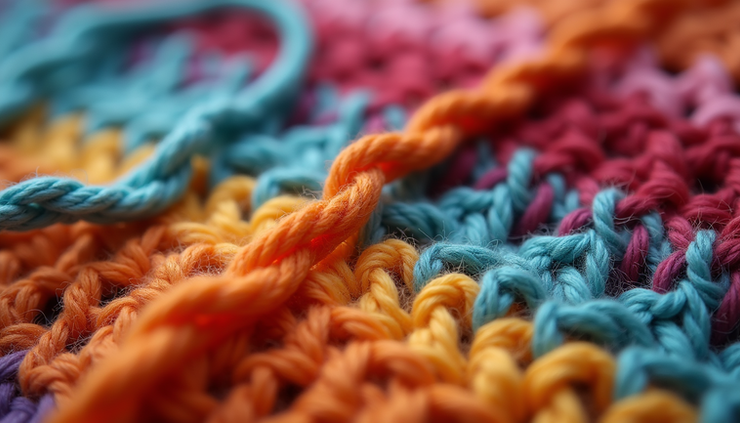
Why Chains Are Considered Stitches
Chains are the foundation of many crochet projects. When you make a chain, you create a loop that forms part of the fabric. Each chain loop is a stitch because it contributes to the structure of your work.
Here’s why chains count as stitches:
Chains create space and shape: They form the base row or turning chains that help you move to the next row.
Chains can be worked into: You often insert your hook into chain stitches to build the next row.
Chains affect stitch count: Including chains in your count ensures your project matches the pattern’s dimensions.
If you ignore chains, your stitch count will be off, and your project might end up too small or uneven.
When to Count Chains and When Not To
Most of the time, you should count chains as stitches. But there is one important exception: the beginning turning chain.
Crochet patterns often tell you to make a turning chain at the start of a new row. This chain lifts your work to the correct height for the next row’s stitches. Usually, this turning chain does not count as a stitch in the stitch count.
For example:
If a pattern says, “Chain 3, counts as first double crochet,” then you count the chain.
If it says, “Chain 3, does not count as a stitch,” then you skip counting it.
Always read the pattern instructions carefully to know what counts as a stitch? in that context.
How to Work Into Chains
You can work your stitches into chains or over chains, depending on the pattern.
Working into chains means inserting your hook into the chain loop to make the next stitch.
Working over chains means crocheting over the chain stitches, often to hide yarn ends or create a specific texture.
Since chains are stitches, you should count them and work into them unless the pattern says otherwise.
Examples of Counting Chains in Patterns
Here are some examples to help you understand what counts as a stitch? in crochet patterns:
Foundation chain: The initial chain row is counted as stitches because you work into these chains to build the first row.
Turning chain: Usually not counted unless the pattern states it counts as a stitch.
Chain spaces: Sometimes patterns use chains to create spaces (like in lace or mesh patterns). These chains count as stitches because they form part of the pattern’s structure.
Why Counting Chains Correctly Matters
Counting chains correctly helps you:
Keep your stitch count accurate: This prevents your project from becoming too wide or narrow.
Follow patterns precisely: Patterns rely on stitch counts to create the right shape and size.
Avoid frustration: Miscounting chains can lead to confusion and mistakes that waste time.
For beginners, mastering what counts as a stitch? is a key step toward confident crocheting.
Tips for Beginners on Counting Stitches
Always check the pattern notes about turning chains.
Use stitch markers to mark the first and last stitches in a row.
Count your stitches at the end of each row to catch mistakes early.
Practice with simple patterns to get comfortable counting chains and stitches.
If you want to improve your skills, consider a one-on-one lesson with an experienced teacher like Dawn, who can guide you through counting stitches and other crochet basics.





Comments